


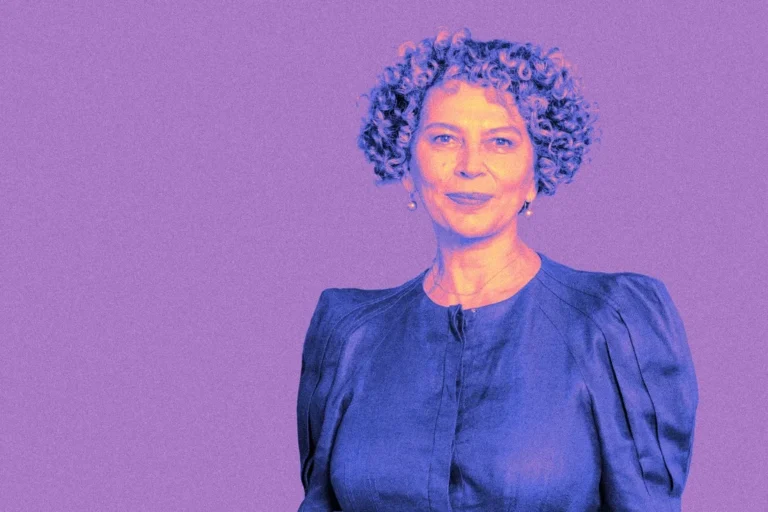
Donna Langley is chairman of Comcast Corp.’s NBCUniversal Entertainment and a longtime film executive. This interview was edited for clarity and length.
① What makes something a hit? What gets people out of their home and into movie theaters?
Cultural relevance, authenticity. If you look at The Odyssey and Obsession, they couldn’t be more different. But they created urgency. You had it with The Odyssey — you have to see that film in the theater. You have to see it on Imax. And with Obsession, it was virality, it was cultural relevance, it was excitement for a young audience to have that kind of a story on the big screen.
② If you could rebuild a media organization, what would you do?
Without a doubt you would have theatrical. I really do think the audience these days loves that big experience, and they’re willing to pay for it. And then I think you would go all the way down to putting the tools in the hands of the audience, in the way that you can do in video gaming. They can choose their own adventure. Then you have everything in between — you’d have streaming, you’d have television. Paramount in all of that would be storytelling. You would have the best storytelling.
③ What are you watching at the moment?
The new season of South Park — I have two teenage boys. It’s hilarious. I love Slow Horses, and I’m loving this season. Ted Lasso is viewing for the whole family.
④ Away from television and film, where is the competition for your eyeballs? Social media, short-form video? What are you scrolling through on your phone?
I am very aware that I have to limit myself on Instagram Reels or TikTok videos because I can go down the rabbit hole. I’m not a doomscroller though. That I will not allow myself to do. I also have fun trying to beat my own algorithm. I don’t like to be told what to watch. It really irritates me.
⑤ In your industry, is it the studios and the streamers battling each other? Or are you all in competition with the social media platforms?
We’re in a battle for the attention of the audience. We value all of our audience, but we want that young audience. We want to create the cinephile of the future. I think we’re doing that.
